

In Nigeria’s rapidly evolving business landscape, protecting your intellectual property (IP) has become increasingly crucial for sustainable growth and market competitiveness. An IP audit serves as a comprehensive review of your business’s intangible assets, helping you identify, protect, and maximize their value.
Understanding the Strategic Value of IP Audits
Intellectual property represents the cornerstone of modern business value creation. From your brand identity to proprietary technologies, these intangible assets often constitute a significant portion of your company’s worth. A structured IP audit helps identify these assets, ensure their protection, and optimize their commercial potential.
Key Benefits of Regular IP Audits
An effective IP audit delivers several crucial advantages:
- Asset Identification and Protection: Systematically catalogue and secure your intellectual property portfolio
- Risk Mitigation: Identify potential infringement issues before they escalate into legal disputes
- Value Creation: Discover opportunities for licensing, partnerships, and new revenue streams
- Strategic Planning: Align your IP assets with your business objectives and market opportunities
- Compliance Assurance: Ensure adherence to Nigerian and international IP regulations
Essential Components of an IP Audit
Identifying Your IP Assets
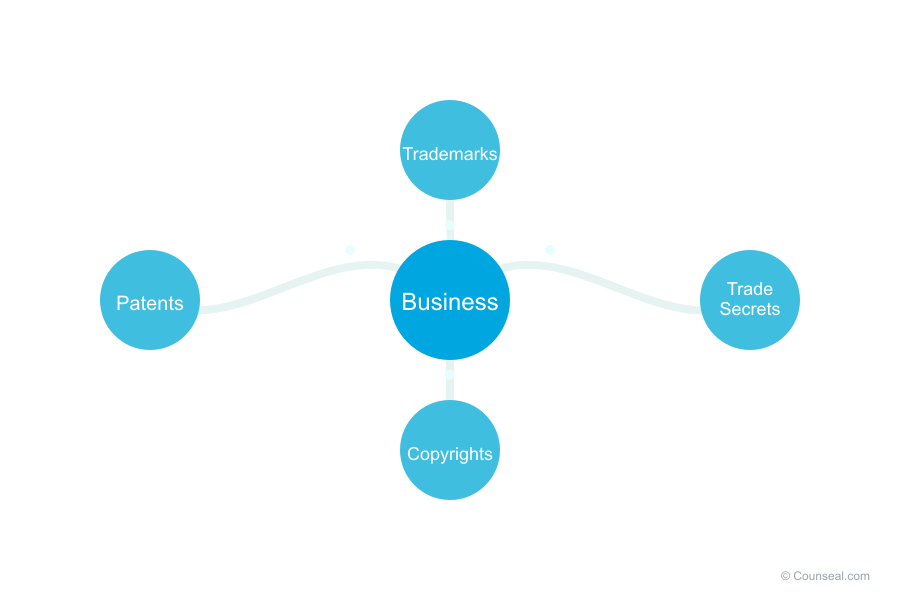
A comprehensive IP audit examines several categories of intellectual property:
Patents
- Active patent registrations
- Pending applications
- Potential patentable innovations
Trademarks
- Registered marks
- Unregistered marks in use
- Domain names
- Trade dress elements
Copyrights
- Software code
- Marketing materials
- Creative works
- Training materials
Trade Secrets
- Manufacturing processes
- Customer databases
- Proprietary formulas
- Business methodologies
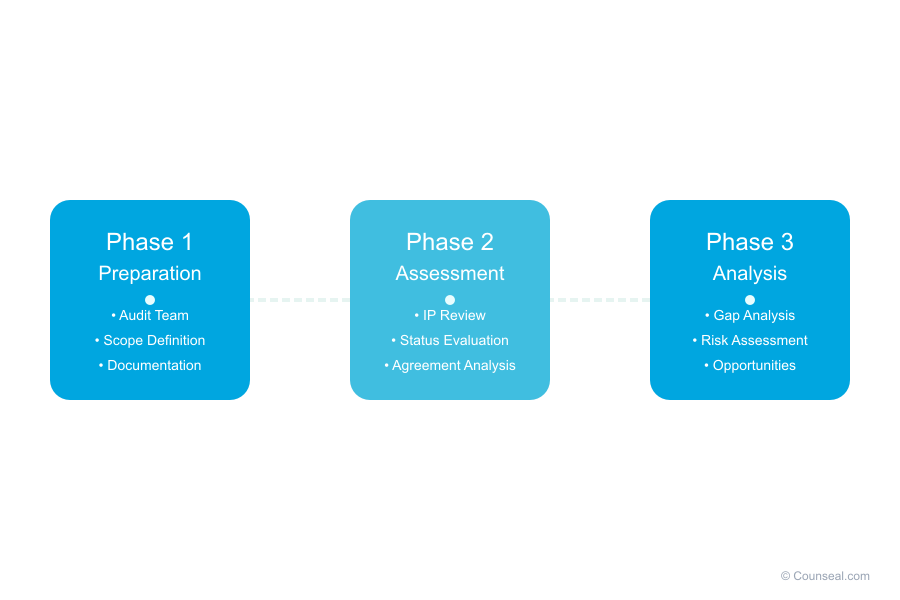
Conducting the Audit Process
Phase 1: Preparation
- Assemble your audit team
- Define the audit scope
- Gather relevant documentation
- Establish timeline and milestones
Phase 2: Assessment
- Review existing IP registrations
- Evaluate protection status
- Analyze licensing agreements
- Assess competitive landscape
Phase 3: Analysis
- Identify gaps in protection
- Evaluate commercial opportunities
- Assess infringement risks
- Review compliance requirements
Implementing Audit Findings
Documentation and Reporting
Create a detailed audit report including:
- Complete IP asset inventory
- Protection status assessment
- Risk analysis findings
- Commercial opportunity evaluation
- Recommended actions
Strategic Implementation
Develop an action plan addressing:
- Priority protection measures
- Registration requirements
- Licensing opportunities
- Risk mitigation strategies
- Budget allocation
Best Practices for Nigerian Businesses
Consider these market-specific factors:
- Register with the Nigerian Copyright Commission
- File trademark applications with the Trademarks, Patents and Designs Registry
- Monitor local market for potential infringements
- Maintain detailed documentation of IP creation and ownership
Maintaining IP Protection
Regular Review Schedule
Implement a systematic review process:
- Annual comprehensive audits
- Quarterly protection status reviews
- Monthly monitoring of market activities
- Continuous documentation updates
Risk Management
Establish robust protection measures:
- Employee confidentiality agreements
- Vendor contracts with IP clauses
- Digital security protocols
- Physical document security
Take Action Today
Protect your business’s intellectual assets by scheduling your IP audit today. Visit counseal.com/start to begin securing your company’s innovative future.