

Understanding Nigeria’s Startup Landscape
Market Dynamics
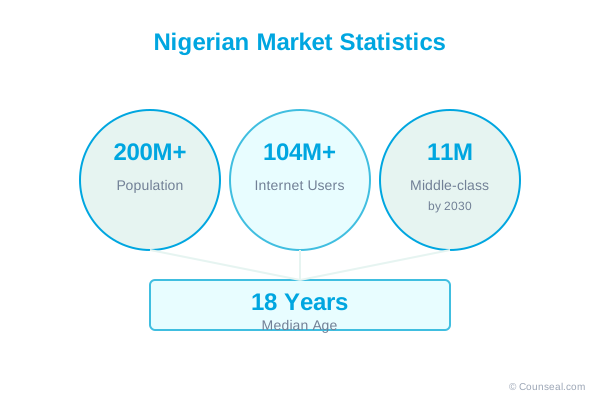
- Population: 200+ million people
- Median age: 18 years
- Internet users: 104+ million
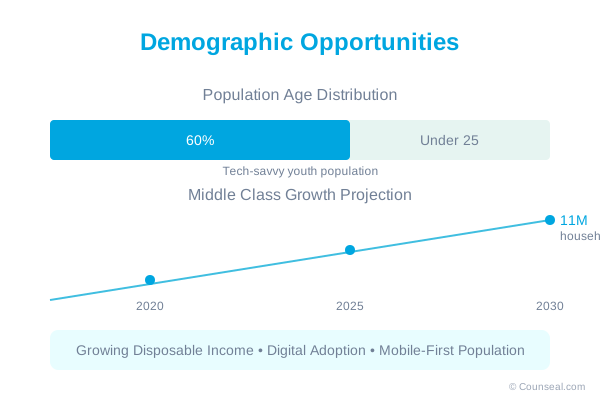
- Middle-class growth: Projected 11 million households by 2030
Key Growth Sectors
- Fintech (e.g., Flutterwave, Paystack)
- E-commerce (e.g., Jumia)
- Agritech (e.g., Farmcrowdy)
- Edtech (e.g., uLesson)
Critical Challenges in Scaling
1. Infrastructure
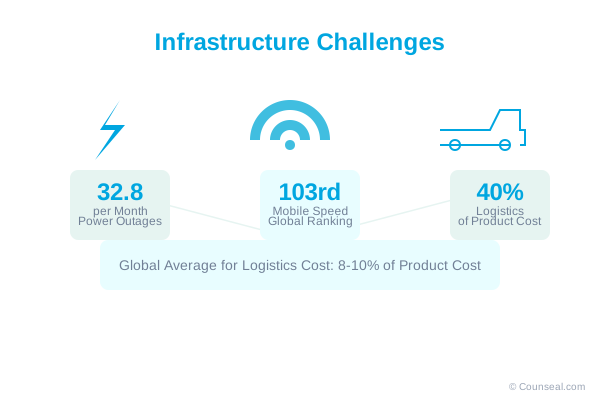
- Power Supply: 32.8 average outages monthly
- Internet Connectivity: Ranked 103rd globally for mobile speed
- Transportation: Logistics costs 40% of product cost (global average: 8-10%)
2. Regulatory Environment
- Business registration complexities
- Multiple taxation layers
- Regulatory compliance costs
- IP protection challenges
3. Access to Capital
- High interest rates (MPR: 11.5%)
- Limited international investor access
- Complex funding application processes
Market Opportunities
1. Digital Transformation
- 50% internet penetration (2021)
- Growing e-commerce adoption
- Mobile-first population
- Fintech revolution
2. Demographics
- 60% population under 25
- Growing middle class
- Increasing disposable income
- Tech-savvy youth
Practical Scaling Strategies
1. Securing Funding
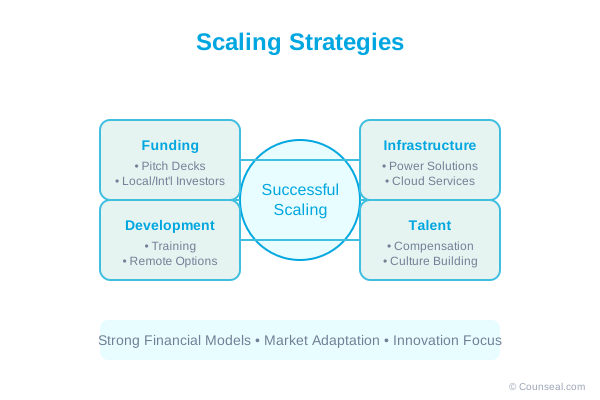
- Prepare comprehensive pitch decks
- Target local and international investors
- Leverage government initiatives
- Build strong financial models
2. Infrastructure Management
- Implement backup power solutions
- Utilize cloud services
- Optimize logistics partnerships
- Develop offline capabilities
3. Talent Acquisition
- Competitive compensation packages
- Professional development programs
- Remote work options
- Strong company culture
Success Stories and Case Studies
Flutterwave
- Founded: 2016
- Valuation: $3+ billion
- Key Success Factors:
- Strong regulatory relationships
- Market adaptation
- Technology innovation
Paystack
- Founded: 2015
- Exit: $200 million (Stripe acquisition)
- Key Success Factors:
- Customer-centric approach
- Security focus
- Market education
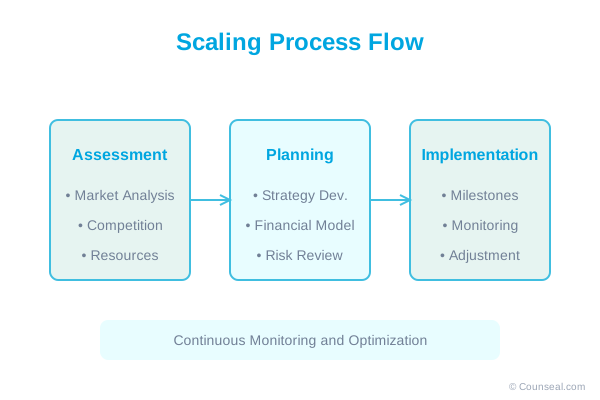
Action Steps for Scaling
- Assessment Phase
- Market analysis
- Competition review
- Resource evaluation
- Planning Phase
- Strategy development
- Financial modeling
- Risk assessment
- Implementation Phase
- Milestone setting
- Progress monitoring
- Strategy adjustment
Resources and Support
Government Initiatives
- YouWin! Programme
- Nigerian Youth Investment Fund
- Bank of Industry grants
Industry Networks
- Lagos Angel Network
- Nigerian Investment Promotion Commission
- Tech hubs and incubators
Conclusion
While scaling a Nigerian startup presents significant challenges, the opportunities for growth are substantial. Success requires careful planning, robust infrastructure management, and strategic resource allocation. Visit counseal.com/start for personalized guidance on your scaling journey.