

Understanding Business Structures in Nigeria

Nigerian law recognises several business structures, each suited to different entrepreneurial needs:
Sole Proprietorship
The simplest business structure, ideal for individual entrepreneurs starting small-scale operations.
Advantages:
- Quick and inexpensive setup
- Complete control over business decisions
- Direct profit access
- Simplified tax reporting
Disadvantages:
- Unlimited personal liability
- Limited access to capital
- Business continuity challenges
- Potential credibility issues with large contracts
Partnership
A structure where two or more individuals share ownership and responsibilities.
Advantages:
- Shared financial and operational responsibilities
- Combined expertise and resources
- Relatively simple formation
- Flexible profit-sharing arrangements
Disadvantages:
- Joint liability for business debts
- Potential partner disputes
- Complex dissolution process
- Limited external investment options
Limited Liability Company (LLC)
A hybrid structure offering personal asset protection and operational flexibility.
Advantages:
- Personal asset protection
- Enhanced credibility
- Flexible management structure
- Easier access to capital
- Tax advantages
Disadvantages:
- Higher setup and maintenance costs
- More complex regulatory requirements
- Annual compliance obligations
- Stricter record-keeping requirements
Public Limited Company (PLC)
The most complex structure, suitable for large-scale operations and public investment.
Advantages:
- Unlimited capital-raising potential
- Enhanced business credibility
- Perpetual existence
- Easy ownership transfer
Disadvantages:
- Extensive regulatory requirements
- Higher operational costs
- Complex governance structure
- Stringent reporting obligations
Key Factors in Structure Selection
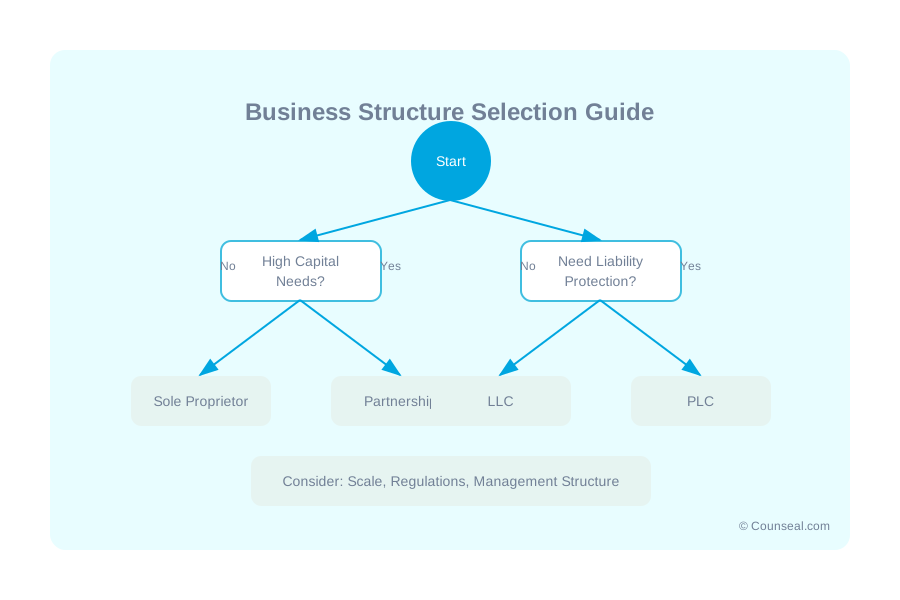
Business Scale and Goals
Consider your venture’s immediate needs and long-term aspirations:
- Market Entry Strategy: Initial scale and expansion plans
- Capital Requirements: Current resources and future funding needs
- Operational Complexity: Management structure and decision-making processes
- Exit Strategy: Long-term succession or sale plans
Regulatory Compliance
Each structure carries specific regulatory obligations:
Registration Requirements
- Corporate Affairs Commission (CAC) registration
- Tax identification and registration
- Industry-specific licenses
- State and local permits
Ongoing Compliance
- Annual returns filing
- Financial statement submissions
- Shareholder meetings (for companies)
- Regulatory updates and renewals
Success Stories: Learning from Established Ventures

Tech Startup Success: Leveraging LLC Structure
A prominent Lagos-based tech startup exemplifies the strategic advantage of choosing an LLC structure for tech ventures in Nigeria. According to TechPoint Africa, this approach has become a blueprint for success in Nigeria’s tech ecosystem.
Key Success Factors:
- Strategic LLC structure selection
- Partnership with local tech hubs
- Access to talented developer pool
- Adaptable business model
- Deep understanding of Nigerian consumer behavior
Impact Metrics:
- Successful registration and operational launch within 3 months
- 80% effectiveness rate in local partnerships
- Significant market penetration in first year
- Established blueprint for foreign tech companies
Manufacturing Excellence: Joint Venture Success
A leading manufacturing company demonstrated the power of joint ventures in Nigeria’s industrial sector. Their experience offers valuable insights for foreign manufacturers entering the Nigerian market.
Strategic Approach:
- Joint venture with established Nigerian firm
- Leveraged local market expertise
- Accessed existing distribution networks
- Shared infrastructure and resources
- Combined international expertise with local knowledge
Measurable Outcomes:
- 25% increase in operational efficiency (PwC Survey)
- Enhanced market penetration through local networks
- Significant cost advantages through resource sharing
- Successful navigation of cultural and operational challenges
Key Lessons from Both Ventures
- Structure Selection Impact
- Different sectors require different approaches
- Legal structure affects operational efficiency
- Local partnerships add significant value
- Success Enablers
- Clear communication channels
- Strong local partnerships
- Adaptable business models
- Cultural sensitivity
- Regular stakeholder engagement
- Risk Mitigation
- Legal structure as protection
- Local expertise for market navigation
- Partnership for resource optimization
- Compliance through proper structuring
Strategic Decision Framework
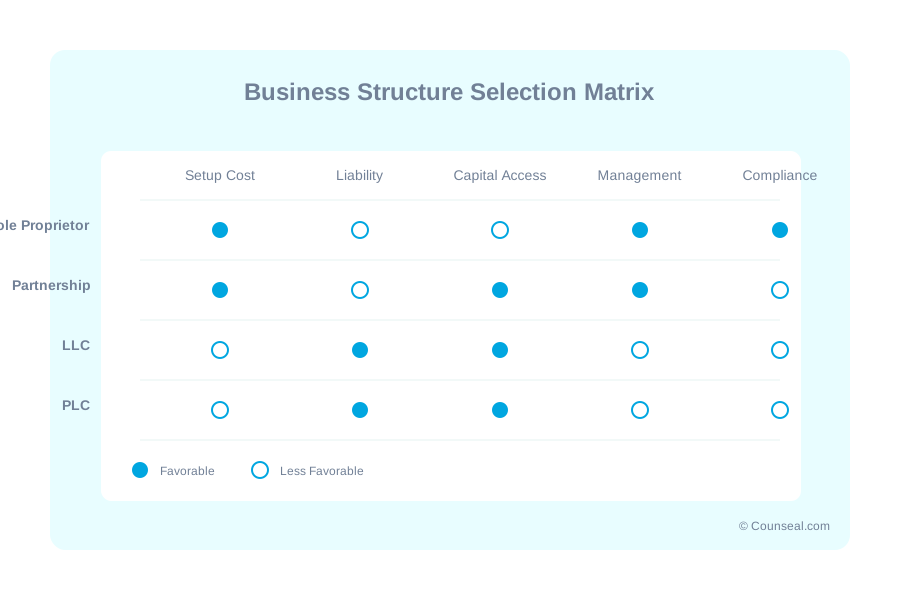
Assessment Checklist
 Business scale and complexityCapital requirementsRisk toleranceManagement preferencesGrowth projectionsRegulatory capacity
Professional Support Network
Build a reliable support system:
- Legal Counsel
- Structure registration
- Compliance monitoring
- Contract review
- Financial Advisors
- Tax planning
- Financial structuring
- Investment strategy
- Local Partners
- Market insights
- Operational support
- Network access
Implementation Guide
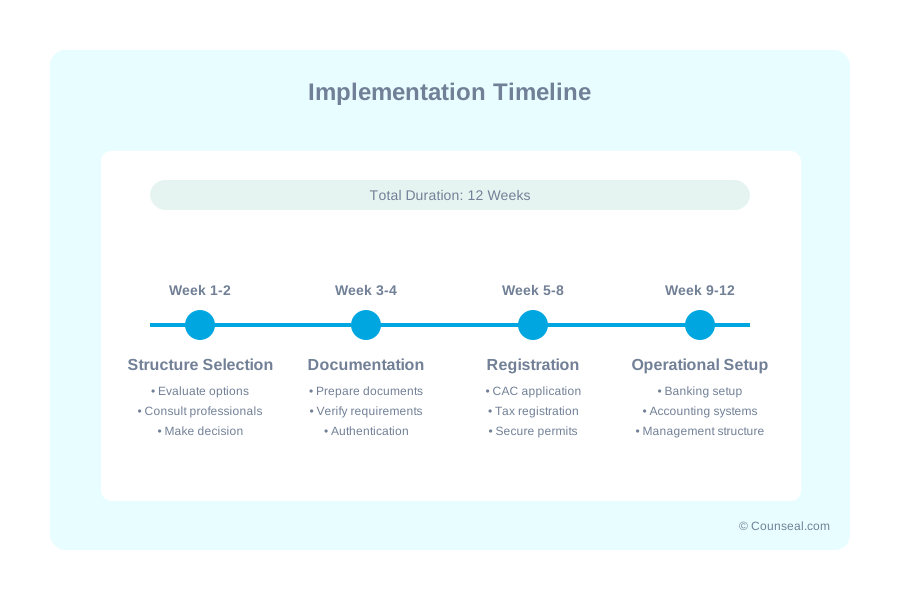
Step-by-Step Process
- Structure Selection (Week 1-2)
- Evaluate options
- Consult professionals
- Make informed decision
- Documentation (Week 3-4)
- Prepare required documents
- Verify compliance requirements
- Arrange authentications
- Registration (Week 5-8)
- Submit CAC application
- Obtain tax registrations
- Secure permits
- Operational Setup (Week 9-12)
- Establish banking relationships
- Implement accounting systems
- Deploy management structure
Risk Management and Mitigation
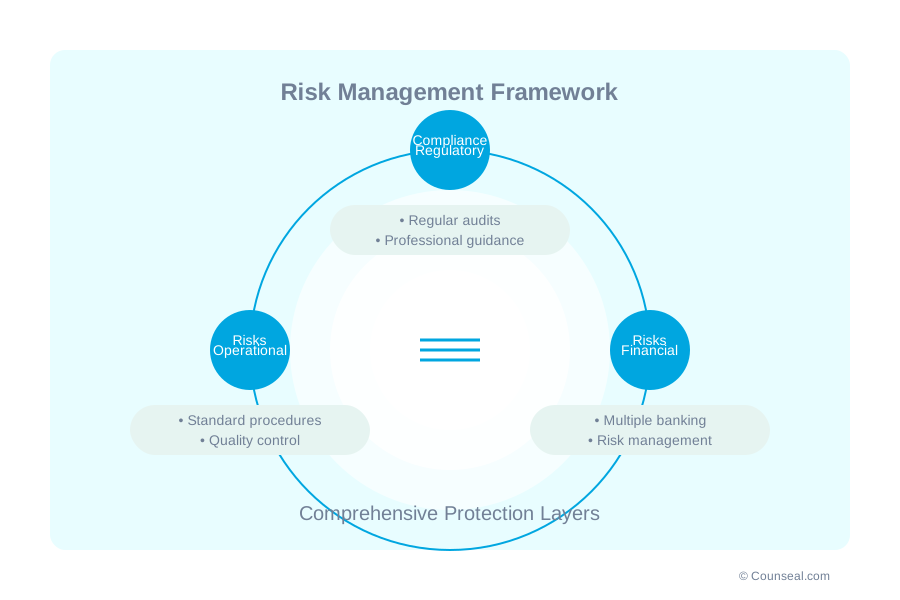
Common Risks and Solutions
- Regulatory Compliance
- Regular audits
- Professional guidance
- Update monitoring
- Operational Risks
- Standard operating procedures
- Quality control systems
- Performance monitoring
- Financial Risks
- Multiple banking relationships
- Currency risk management
- Capital adequacy planning
Conclusion and Next Steps
Your choice of business structure lays the foundation for your Nigerian venture’s success. Consider these key takeaways:
- Match structure to strategy
- Plan for growth
- Build strong support systems
- Maintain compliance
- Monitor and adapt
Ready to Start?
Contact our experts at Counseal.com for personalised guidance on:
- Structure selection
- Registration process
- Compliance management
- Operational setup