

Understanding the Nigerian Startup Landscape
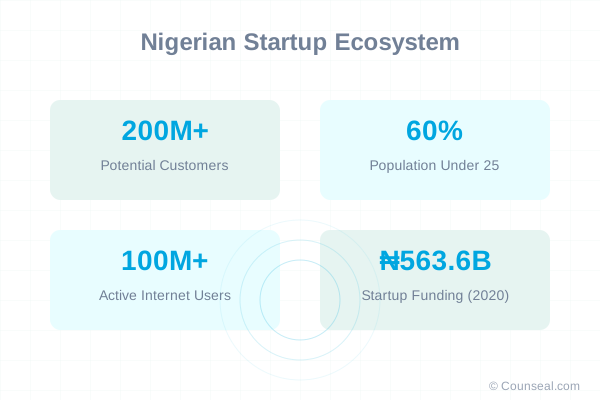
Nigeria’s startup ecosystem is experiencing unprecedented growth, with:
- Over 200 million potential customers
- 60% of the population under 25 years
- 100+ million active internet users
- ₦563.6 billion ($1.37 billion) in startup funding (2020)
Market Opportunities and Challenges
Opportunities
- Large, young consumer base
- Growing digital adoption
- Increasing investor interest
- Cross-border expansion potential
Challenges
- Infrastructure limitations
- Regulatory complexities
- Access to capital constraints
- Market education needs
Essential Metrics for Nigerian Startups
Financial Metrics
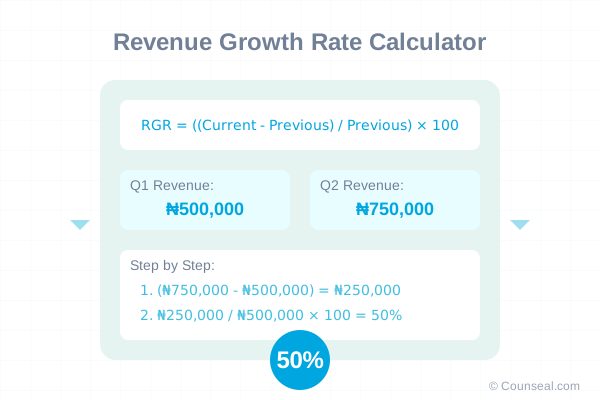
Revenue Growth Rate (RGR)
RGR = ((Current Period Revenue – Previous Period Revenue) / Previous Period Revenue) × 100
Example: Q1 Revenue: ₦500,000 Q2 Revenue: ₦750,000 RGR = ((₦750,000 – ₦500,000) / ₦500,000) × 100 = 50%
Burn Rate and Runway
Monthly Burn Rate = Monthly Operating Expenses – Monthly Revenue
Runway = Available Capital / Monthly Burn Rate
Customer Metrics
Customer Retention Rate (CRR)
CRR = ((E-N)/S) × 100
E = End customers
N = New customers
S = Start customers
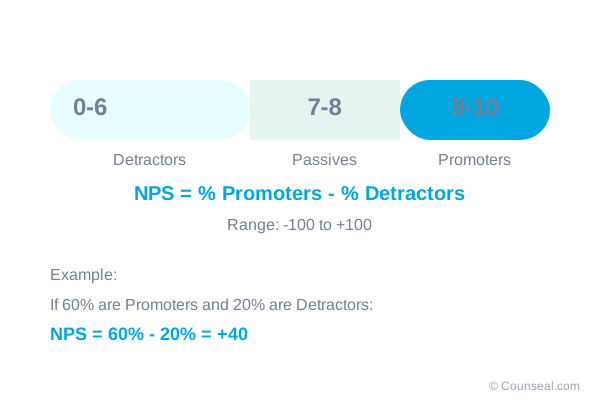
Net Promoter Score (NPS)
NPS = % Promoters – % Detractors
Operational Metrics
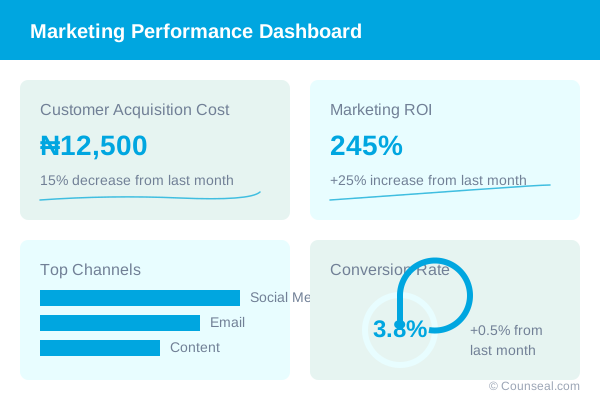
Customer Acquisition Cost (CAC)
CAC = Total Marketing & Sales Expenses / Number of New Customers
Customer Effort Score (CES)
- Scale: 1 (Very Difficult) to 7 (Very Easy)
- Question: “How easy was it to get your issue resolved?”
Improving Your Metrics: Practical Strategies
1. Enhance Customer Experience
- Implement automated feedback systems
- Provide omnichannel support
- Optimize user journey touchpoints
- Regular customer satisfaction surveys
2. Optimize Marketing ROI
- Target high-value customer segments
- Leverage data-driven campaign optimization
- Focus on channels with proven ROI
- Monitor and adjust CAC regularly
3. Leverage Data Analytics
- Implement Google Analytics
- Use business intelligence tools
- Track customer behavior patterns
- Make data-driven decisions
Case Study: Kippa Africa’s Success
Key Achievements
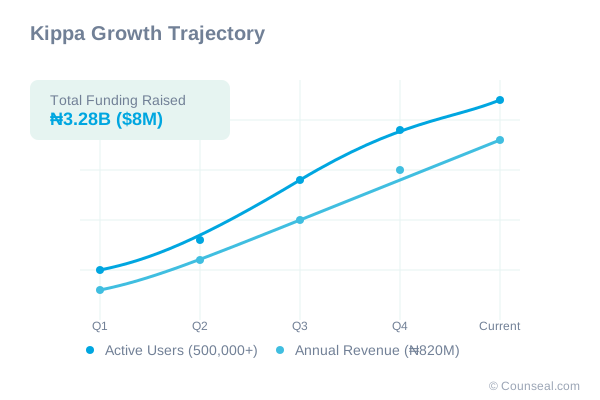
- 500,000+ active users
- ₦820 million ($2 million) annual revenue
- ₦3.28 billion ($8 million) in funding
Success Factors
- Market understanding
- Technology leverage
- Trust building
- Strategic partnerships
Implementation Guide
Step 1: Set Up Tracking Systems
- Install analytics tools
- Configure tracking parameters
- Set up automated reporting
- Train team members
Step 2: Establish Baselines
- Document current metrics
- Set realistic targets
- Create monitoring schedules
- Define improvement goals
Step 3: Implement Improvements
- Prioritize high-impact areas
- Test changes systematically
- Monitor results
- Adjust strategies based on data
Conclusion
Success in Nigeria’s startup ecosystem requires diligent metric tracking and continuous improvement. Start implementing these strategies today to drive sustainable growth for your business.
Need expert guidance on implementing these metrics? Visit counseal.com/start for professional support.
This guide is regularly updated to reflect the latest trends and best practices in the Nigerian startup ecosystem.